


How Manchester City broke the rules
How Manchester City broke the rules

Jeremy WilsonSat, September 26, 2026 at 5:00 AM UTC
0
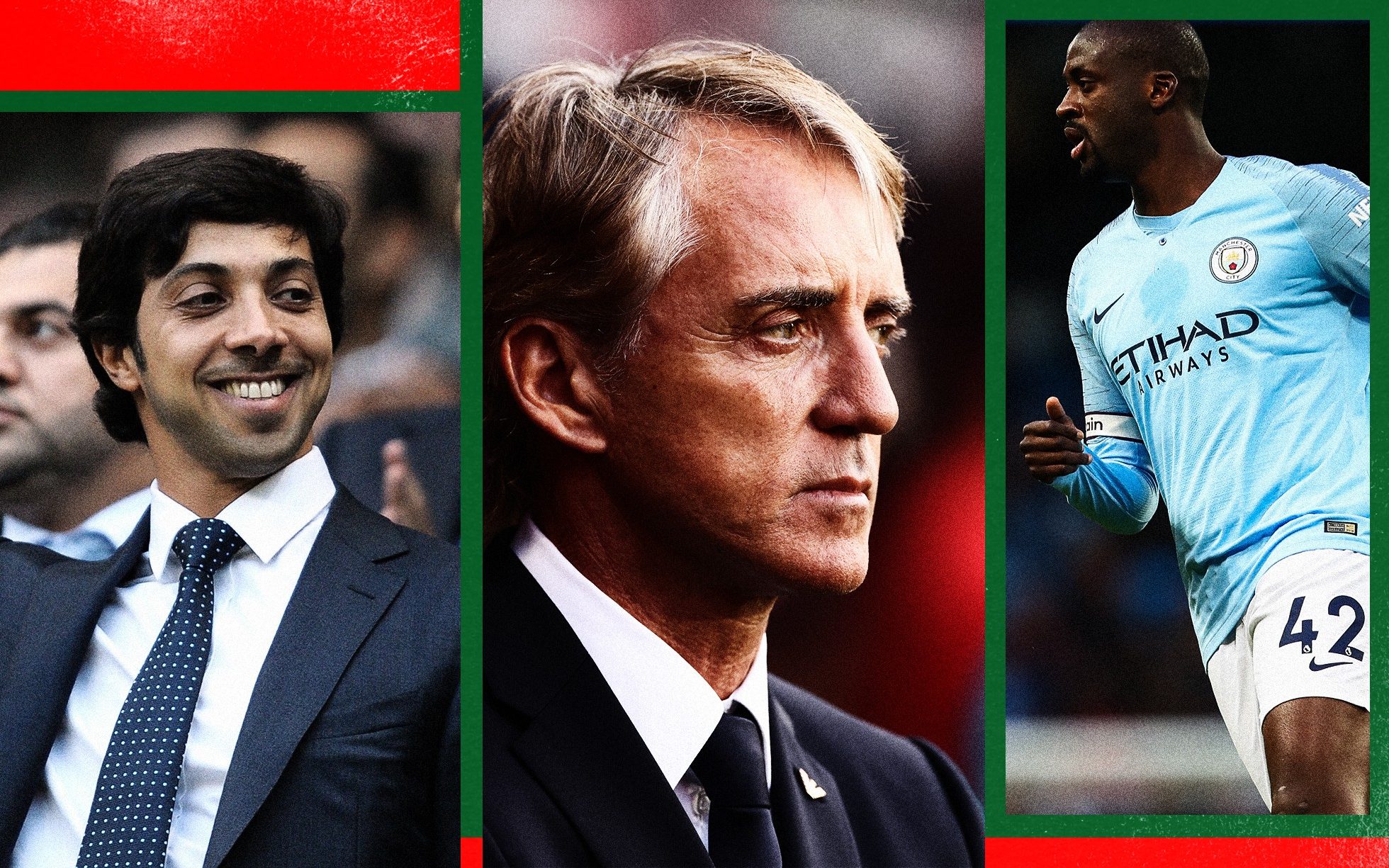
(From left) Manchester City’s owner Sheikh Mansour, former manager Roberto Mancini and ex-midfielder Yaya Toure
To understand how it took until now for Manchester City to face sanctions for rule breaches dating back to 2009, you must delve even further into the history of the Premier League.
It was in June 2003 that the arrival of Roman Abramovich at Chelsea was followed by a memorable observation by the Arsenal vice-chairman David Dein. “Roman Abramovich has parked his Russian tank in our front garden and is firing £50 notes at us,” Dein said.
Arsenal – famously known as the “Bank of England club” – were about to begin their “Invincible” season and make it nine consecutive Premier League titles for either themselves or Manchester United. Within 24 months, everything had changed. Chelsea had the world’s best young coach overseeing the most expensively assembled team and were winning the first of 19 major trophies during the Abramovich era.
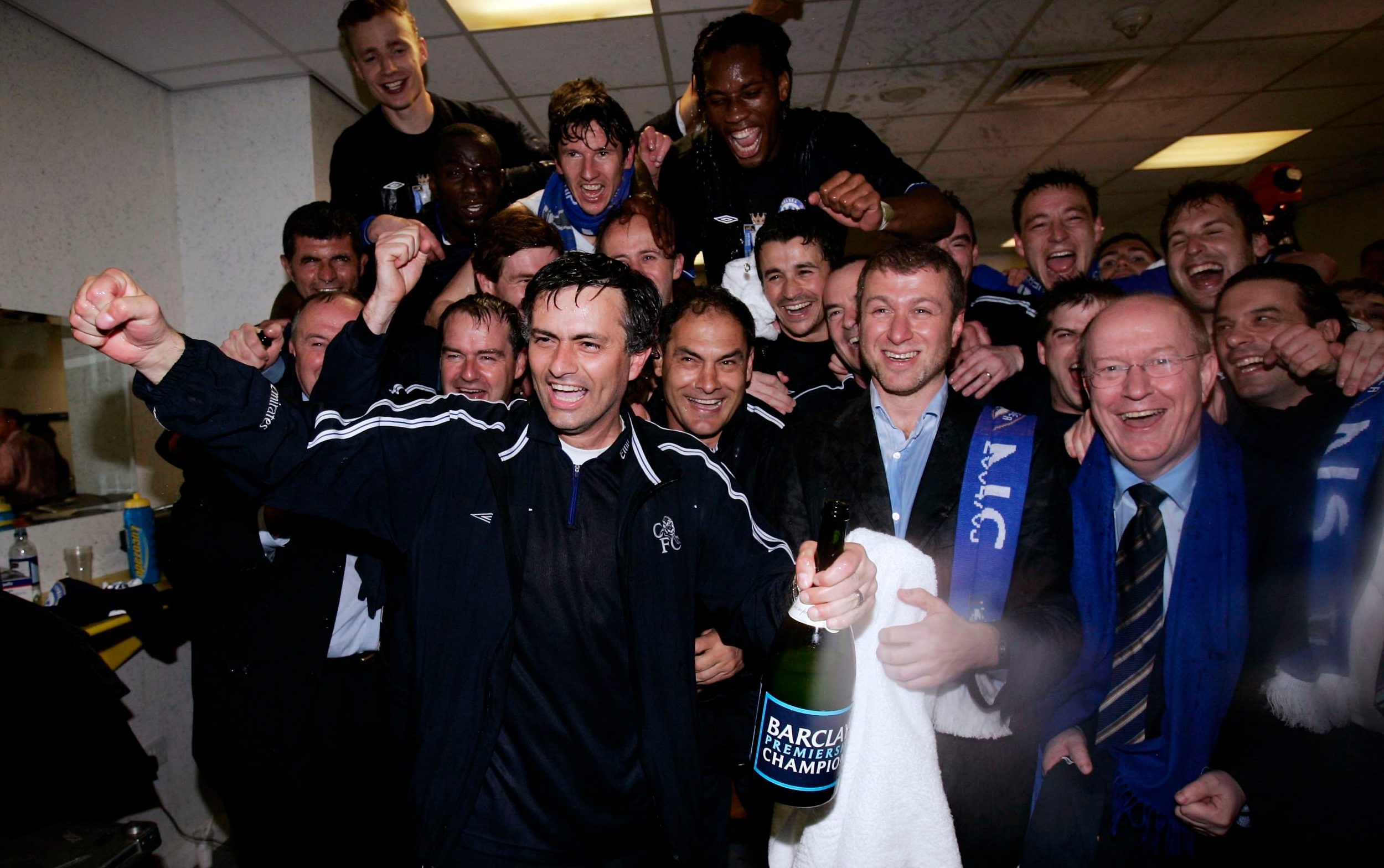
With Roman Abramovich and Jose Mourinho at the helm, Chelsea changed everything - Action Images/Darren Walsh
“They have enhancement of performances through financial resources which are unlimited,” complained Arsenal manager Arsène Wenger about Chelsea. “For me, it’s a kind of doping because it’s not in any way linked to their resources.”
Football’s Wild West
There were no rules governing spending back then. Clubs could do what they liked, regardless of what they earned, who paid, or what their closest rivals could afford. The Premier League had become football’s Wild West and new sheriffs were in town.
Then in walked Sheikh Mansour bin Zayed Al Nahyan’s Abu Dhabi United Group which, within a day in September 2008, would not only buy Manchester City but set a British transfer record for the Brazilian striker Robinho. And the club they instantly outbid? Abramovich’s Chelsea.
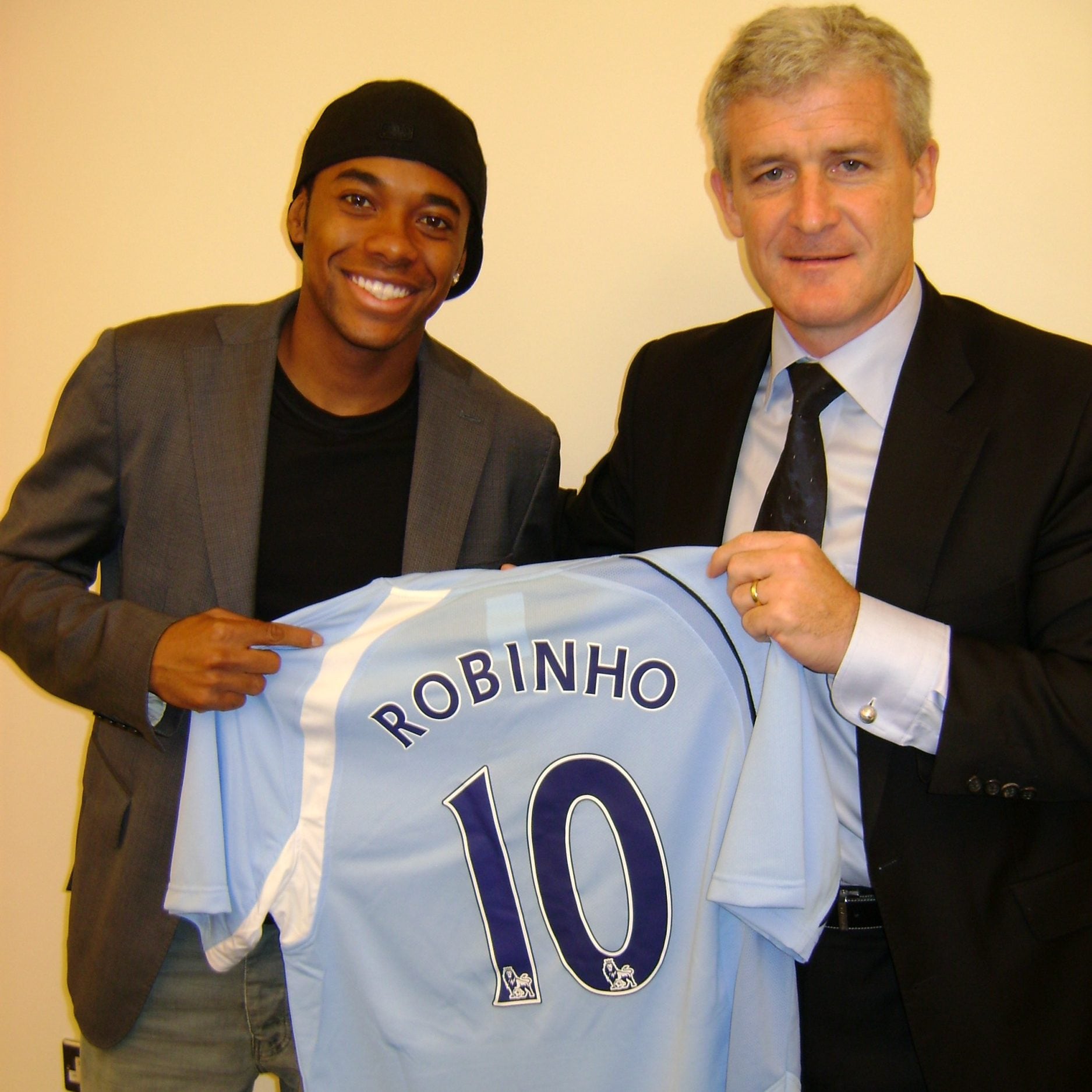
City set a British transfer record to sign Robinho in 2008 - Manchester City FC
Yet it was not so much Chelsea, but the three traditional powerhouses of English football who have been largely left reeling. During the 22 years since 2004, United, Liverpool and Arsenal have collectively lifted the Premier League title just seven times – and five of those were achieved more than a decade ago under the genius of Sir Alex Ferguson. City and Chelsea have won the league 13 times in that same window, including eight City wins.
Boom to bust
While City and Chelsea’s emergence accelerated wider inflationary pressures and concern at the evolving competitive balance, it was still not the main impetus for Europe-wide regulation. Football (and certainly its increasingly eclectic club owners) was not immune from the global financial crisis and, combined with some reckless spending, the net debt of the Premier League had soared above £3bn by 2009. The year before, Portsmouth won the FA Cup but they would become the first Premier League club to enter administration in 2010 and had creditors stretching far into the local community. It brought deep shame on English football and an urgency to implement similar financial rules to the European governing body Uefa, which was described in the seminal Football and the Law textbook as “the grandfather” of financial regulation.
“The rules were always designed to encourage clubs to operate within their means,” says Simon Leaf, a partner at the legal firm Mishcon de Reya. “The clubs, however, have different means and that is where the criticism came. Are you entrenching inequality? Can a Nottingham Forest or Newcastle ever truly compete with those clubs who were able to establish themselves and their fan bases prior to the rules coming in?”
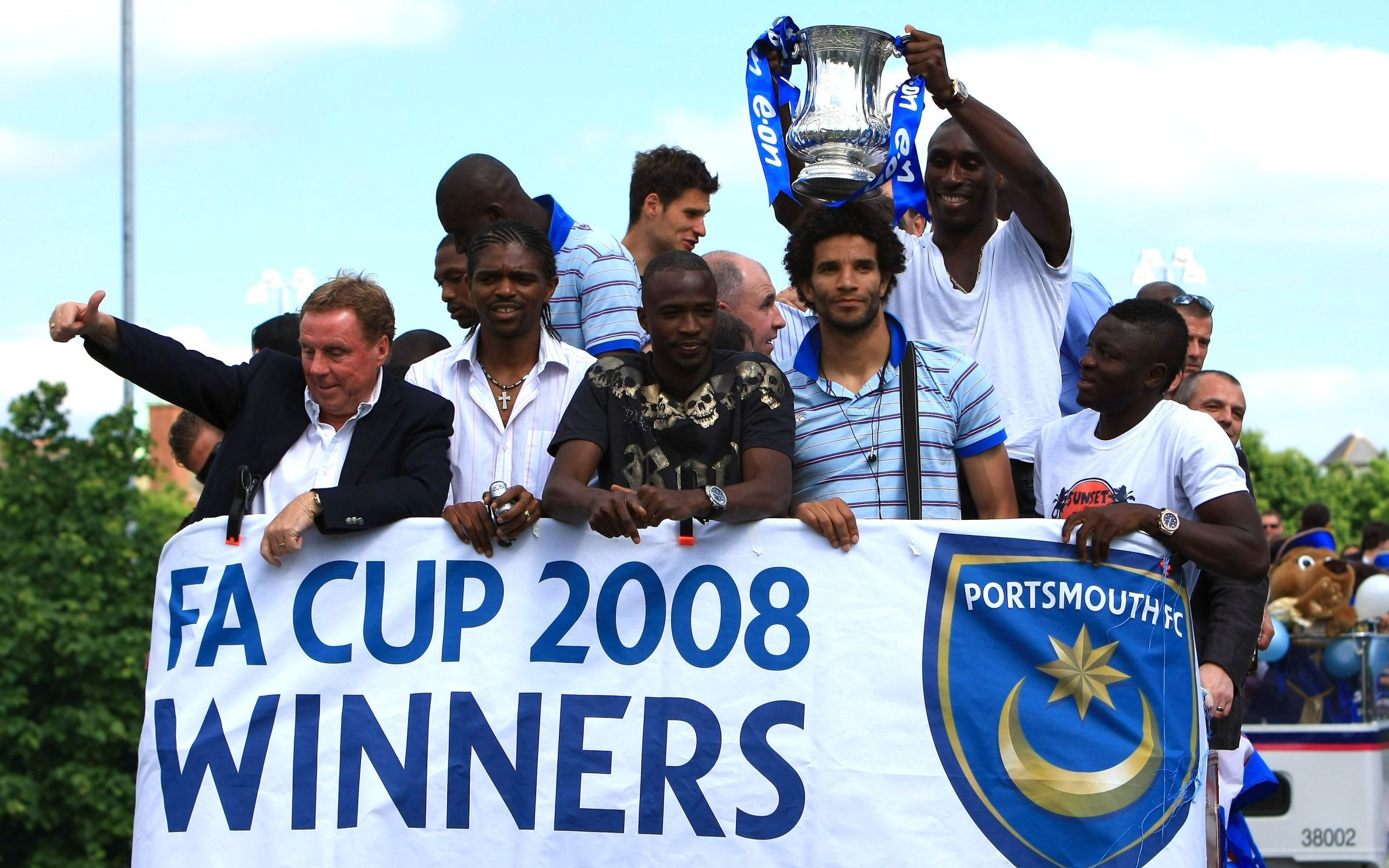
Portsmouth went from FA Cup winners to bust in two years - Getty Images/Jamie McDonald
As in Europe, the central premise of the Premier League’s new rules was to protect sustainability by limiting how much a club’s expenditure could exceed their earnings from the three pillars of “natural” income: broadcast and commercial revenue, as well as fan spending on tickets and merchandise.
Uefa’s financial fair play rules arrived first and the Premier League followed from the 2013-14 season with profitability and sustainability rules, which capped permitted losses at £105m across three seasons. The Premier League had already long required clubs to provide accurate financial information, including all player and manager payments.
Playing the system
The new rules were duly studied by accountants and lawyers, with fears soon turning to how they might be circumnavigated. If a manager or player could be rewarded with income that was not on a club’s football balance sheet, for example, then that might reduce the documented outgoings and so free up a bigger transfer budget. And if commercial income could be increased by inflated sponsorship deals with companies linked to a club’s owner, the entire PSR calculation – and thus allowable spending power on players – could be transformed upwards.
City were accused of both these tricks. On top of his annual £1.45m contract at Manchester City, former manager Roberto Mancini allegedly received £1.75m for consultancy work at an Abu Dhabi-based club. Football Leaks documents also alleged that payments to a company owned by the midfielder Yaya Touré’s agent for image rights – additional income for off-field commercial activities – had come from the Abu Dhabi United Group, which owns City, rather than the club themselves.
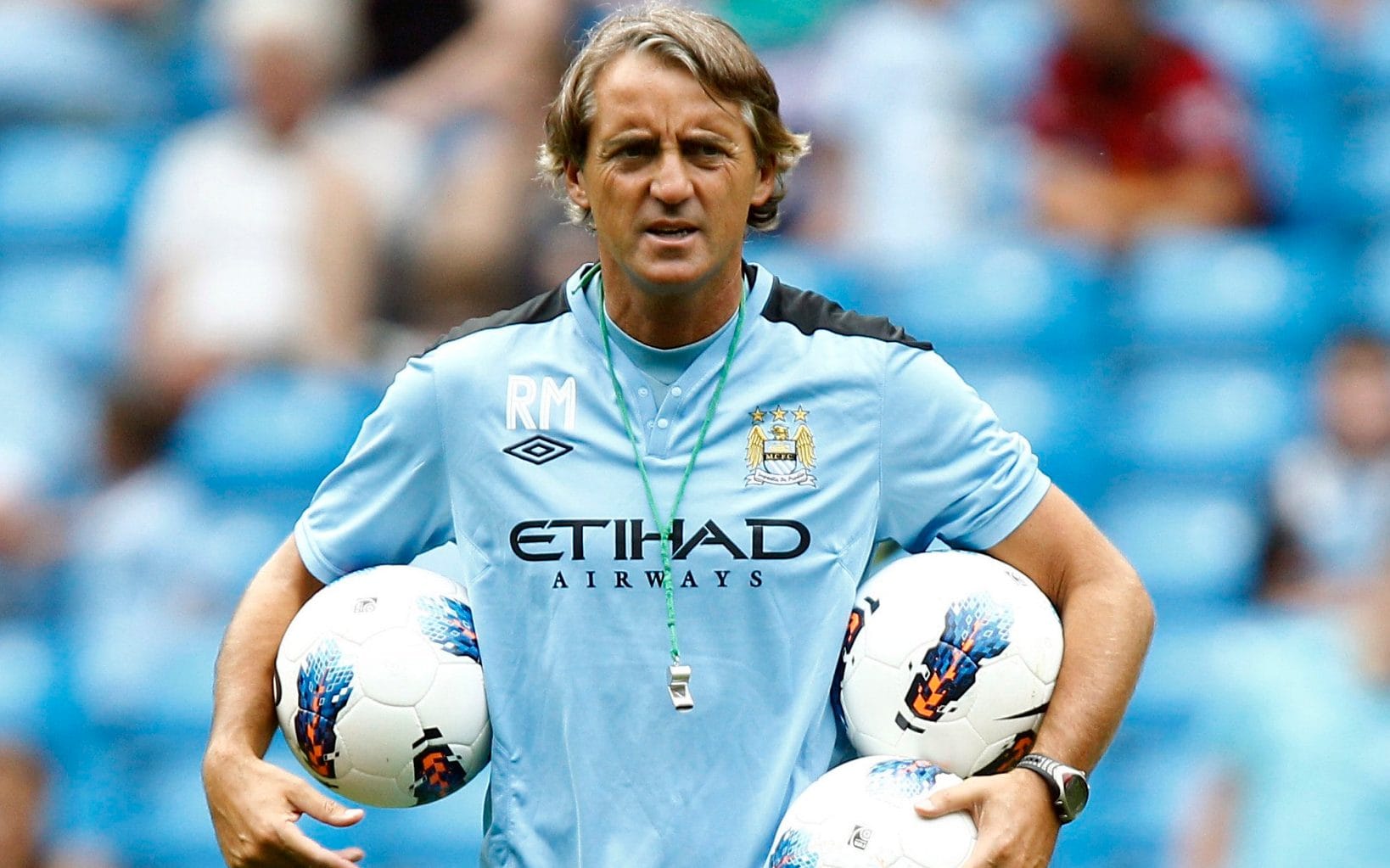
Roberto Mancini allegedly received £1.75m for consultancy work - AP/Jon Super
City were specifically accused of breaching rules over how they set out image-rights payments in their club contracts in the Premier League’s list of charges, although no specific players were mentioned. German newspaper Der Spiegel specifically reported that the Premier League investigation had focused on payments to underage players, as well as whether sponsors were paying for commercial deals themselves or they were being effectively supplemented by City’s owners.
‘We can do what we want’
City’s commercial income certainly sky-rocketed in this period. The firm Deloitte produces an annual league table of club income. In 2007-08 – the year before the takeover by Sheikh Mansour – Manchester City were ranked as the world’s 20th richest club. By 2020-21, they were top of the Deloitte League, and bringing in more money than historic football superpowers like Real Madrid, Bayern Munich and Manchester United. There had been more than a 10-fold growth in City’s commercial income.
City were also routinely agreeing sponsorship deals with companies based in Abu Dhabi, notably their partnerships since 2009 with Etihad, the national airline of the United Arab Emirates, but also entities such as the investment company Aabar. They were specifically named in the Football Leaks documents that were published by Der Spiegel. In a 2010 email that allegedly discussed a £15m sponsorship with Aabar, the Manchester City director Simon Pearce had been reported as writing: “The annual direct obligation for Aabar is GBP 3 million. The remaining 12 million GBP requirement will come from alternative sources provided by his highness.” It was also alleged that, when City’s chief financial officer Jorge Chumillas asked in one internal email if they could change the date of payment for the sponsors from Abu Dhabi, Pearce replied: “Of course, we can do what we want.”
The Premier League’s new financial rules were initially underpinned by a clause requiring all “related-party transactions” to be of “fair market value”. City are adamant that they did not break any rules, and responded to the Der Spiegel stories by describing the documents as “hacked or stolen” and “out of context”. Mancini, who managed City from 2009 until 2013, said that his payments were “all above board” and that he had paid all his taxes.
Advertisement
Touré’s then agent, Dimitry Seluk, denied receiving any secret payments for his client. “Everything was transparent, there was nothing on the back side. Yaya paid everything – tax and everything,” he told The Guardian.
New money vs old
Regardless of whether any rules had been broken, a huge philosophical divide had been opened. There were no financial restraints when others, notably Manchester United, were commercially dominant. And the self-interest incentive for rival clubs to now support regulation was obvious. We were, after all, talking about levels of owner wealth that were very new.
Amid pressure from some of the traditional European superpowers, it emerged in 2014 that Uefa had launched investigations into both City and Paris St-Germain over alleged FFP breaches.
The first phase of the investigation ended later that year with a settlement that cost City €20m and included some transfer and spending restrictions. Wenger, still the Arsenal manager at the time, claimed that Uefa had been unsettled by City’s legal heft and later declared that the era of FFP among European clubs had “gone”.
The world did indeed seem to move on. Ferguson left the stage. Wenger would follow. City were steadily amassing trophies. Pep Guardiola had arrived and was constructing a team to dominate for a generation when, on November 23, 2018, Der Spiegel published its explosive series of allegations against City based on the Football Leaks documents. It declared that City had “walked all over” the rules.
Uefa and the Premier League could hardly ignore this and, for more than six years, City have been embroiled in an extraordinary series of investigations, legal challenges and hearings.
First shots fired
The European governing body moved first and, in 2020, Uefa announced it was suspending City from the Champions League for two years for “overstating its sponsorship revenue” between 2012 and 2016. City appealed to the Court of Arbitration for Sport and the two-year ban was overturned. In its ruling, Cas found that a number of the claims brought by Uefa had fallen outside a five-year “time bar” and others were “not established”. It did, however, still impose a €10m fine after ruling that City had failed to co-operate with investigators. City described the Cas judgment as “a validation of its position”. Others were less impressed. Jürgen Klopp, then inspiring Liverpool’s challenge of City, said that it was not a good day for football while José Mourinho, who had finished second behind City with Manchester United two years earlier, called it “disgraceful”.
Attention soon turned to the Premier League and a parallel investigation which also began late in 2018. Richard Scudamore had only just departed after almost 20 years as the chief executive and, in the tributes, the observation of one leading club executive now feels prescient. “His biggest achievement was holding the whole thing together,” said the executive, emphasising how a semblance of unity had always remained despite all the competing self-interest and egos of its member clubs. Part of that was Scudamore’s astute avoidance of powers that would mean having to arbitrate or excessively regulate his clubs. It is hard, though, to see how anyone could have avoided an investigation given the public detail of the allegations and the pressure for action from other clubs.
A legal minefield
According to another Premier League source, we were now unavoidably heading into “a perfect storm” in which the world’s richest league remained submerged. “The cat was out of the bag and I think there are various factors for that,” says Leaf, who highlights the departure of Scudamore, the ever greater financial interests, but crucially also how the failed European Super League project prompted an independent government review and a subsequent parliamentary bill to establish a football regulator with statutory powers. It has all placed pressure on the Premier League to show that it really can manage its clubs.
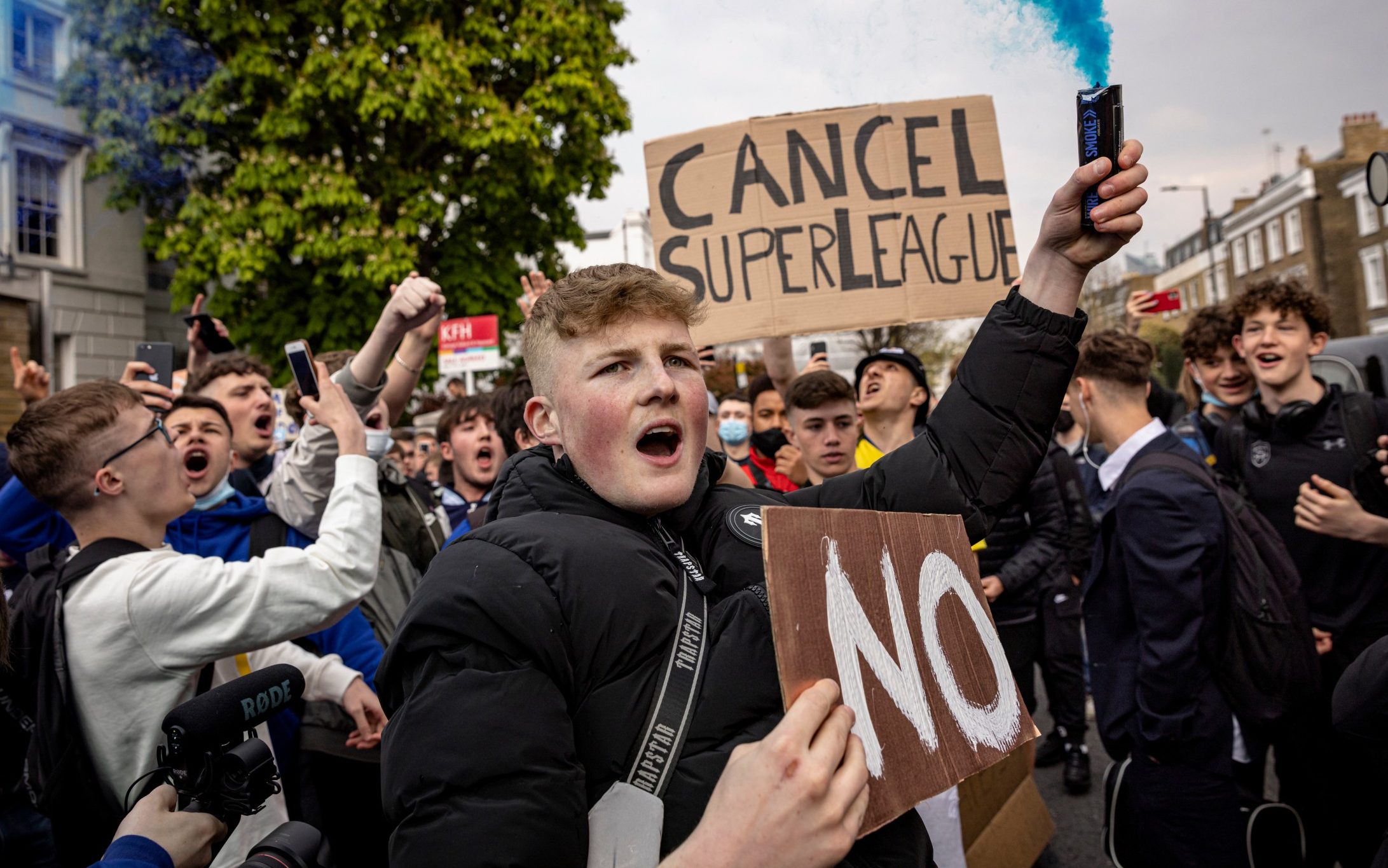
A proposed European Super League went down badly with fans - Getty Images/Rob Pinney
“Whereas in the past there was probably more of a focus on retaining the harmony and the relationships between clubs, I think now there is much more of a desire among clubs to make sure their interests are protected,” Leaf says. “If that means they have to spend millions, or tens of millions, on the best legal teams then that is a price they are prepared to pay.”
That has been evident not just throughout a Premier League investigation of City, but also in the very rulebook which governs the competition.
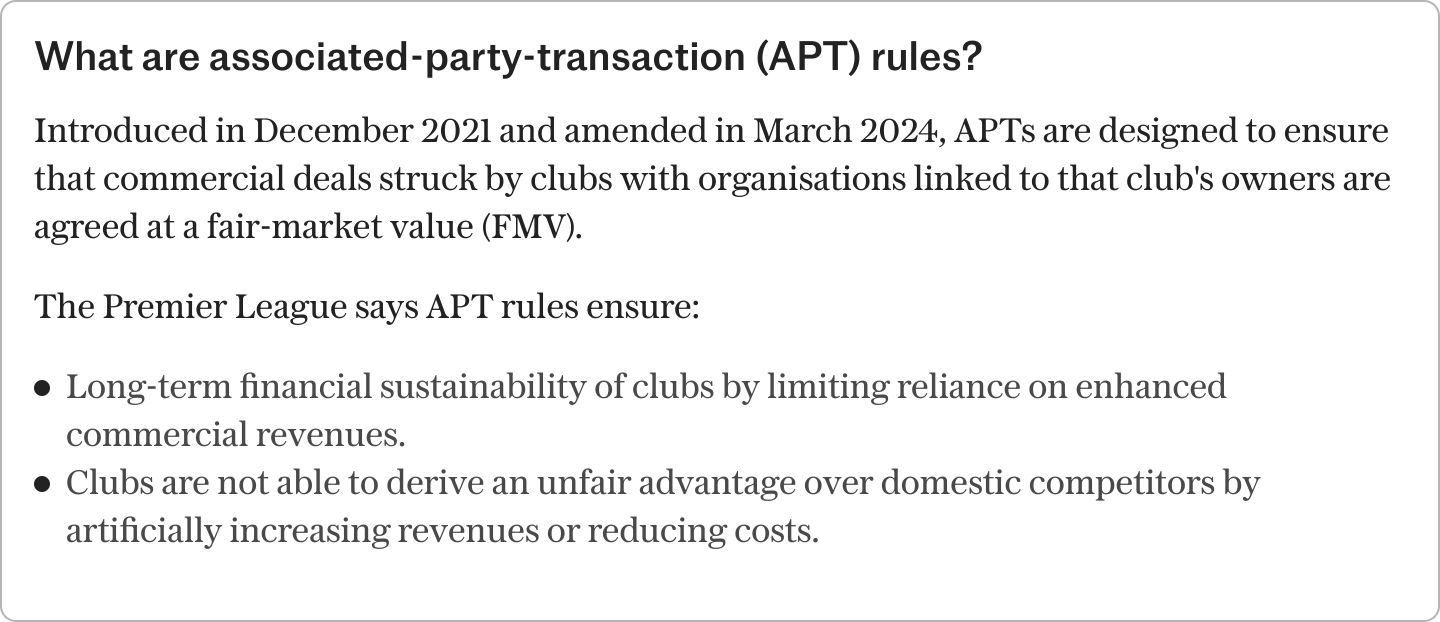
No City commercial deal had ever been deemed a “related-party transaction”, but that changed after the definition evolved to “associated-party transactions” in 2021 following the Newcastle United takeover by the Saudi Arabia Public Investment Fund. The rules were twice further in 2024, prompting City to launch legal challenges against the APT framework and judgments on two specific sponsorship deals that were not deemed fair market value, including with main stadium and shirt sponsor Etihad. Antonoaldo Neves, the airline’s chief executive, has emphatically defended the ongoing partnership with City as “market based”.
Premier League divided
It has created a fierce wider debate into whether financial controls are necessary and if the Premier League’s rulebook is fit for purpose. Sides are being taken and, when the Premier League sought to amend its APT rules in November 2024, it was noticeable that City’s opposition was supported by Newcastle United, Aston Villa and Nottingham Forest.
“I think PSR was brought in to do one thing, but it’s turned into something totally different,” Eddie Howe, the then Newcastle manager, said. Simon Jordan, the former Crystal Palace owner, also cited how there was previously nothing to stop a Jack Walker figure from bankrolling Blackburn Rovers’ dream ascent to the 1994-95 Premier League title.
There is a strong counter-feeling inside the Premier League, however, that the Blackburn example is misplaced in an age of owners with such vast financial power and influence inside some of the wealthiest nation states in the world. They believe that the Premier League’s entire global pre-eminence is genuinely at stake – with all the wider consequences for the English football pyramid – if financial controls are eased or the rules are not rigorously enforced. The example of France’s Ligue 1, where PSG (owned by Qatar Sports Investments) have won 11 of the last 13 league titles, is regularly cited.
“Don’t think that can’t happen here,” one source said. The optimal direction of the Premier League, however, is not what the independent, three-person tribunal was asked to consider. It was solely concerned with the 115 alleged rule breaches that had been identified. Although the Premier League rulebook does allow a subsequent appeal, one big difference to the Uefa investigation is that no side can take this case to Cas. The charges are also not time-barred, even if the investigation has lasted so long that some clubs (well aware of a six-year statute of limitations) have already filed legal notices to City, reserving their right to seek compensation.
The wheels of justice can turn slowly but, pending an appeal, the end is finally in sight. Whether anyone will then retreat from this raging civil war in search of a more conciliatory path – as they unexpectedly did over associated-party transactions – remains deeply uncertain.
As one long-time Premier League insider puts it: “There was always plenty of mutual dislike even in the league’s early days, but they always just thought it was better to have a united front. For all the self-interest, it was like a gentleman’s club. But the genie is out of the bottle now and it’s not going back any time soon.”
Source: “AOL Money”
